

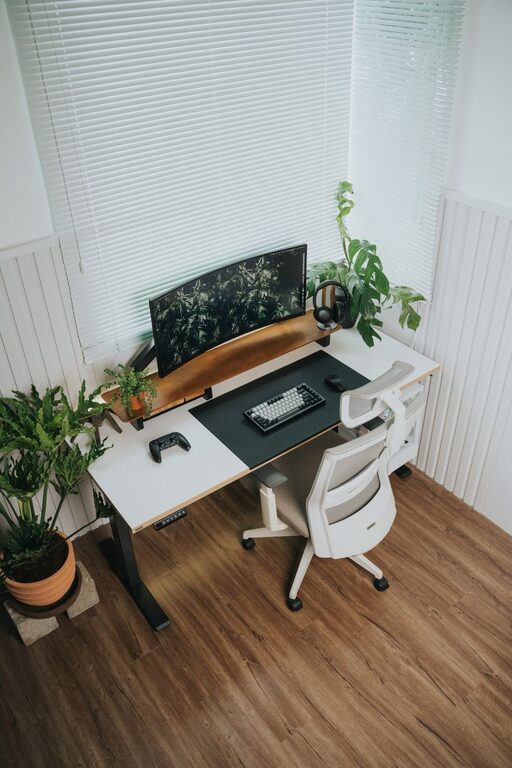
Creating a relaxing home workspace is essential for anyone looking to improve focus, productivity, and overall well-being. With many of us spending more time working from home, the environment we create can either support or hinder our ability to work effectively. In this post, we’ll explore practical and easy-to-implement tips that can transform your home workspace into a calming and productive place.
Why a Relaxing Workspace Matters
A workspace that feels stressful or cluttered can increase anxiety and reduce your ability to concentrate. On the other hand, a calm and comfortable environment facilitates clear thinking, creativity, and motivation. When your workspace supports your physical and mental health, you’re more likely to enjoy your work and perform better.
1. Choose the Right Location
Start by selecting a spot in your home where you can work with minimum distractions. Ideally, this place should be quiet, have good natural light, and enough space for your needs.
– Near a window: Natural light boosts mood and energy levels.
– Away from noisy areas: Avoid high-traffic zones like kitchens or living rooms if possible.
– Separate from relaxation spaces: Dedicate a clear boundary between “work” and “rest” zones in your home.
2. Invest in Comfortable Furniture
Ergonomics matter for comfort and long-term health. Choose a chair and desk that support good posture.
– Ergonomic chair: Provides lumbar support and adjustable height.
– Desk height: Should allow your arms to rest comfortably at a 90-degree angle.
– Consider standing desks: Alternating between sitting and standing can reduce fatigue.
3. Declutter and Organize
A tidy space leads to a tidy mind. Clutter can cause distractions and stress.
– Use storage solutions: Drawers, shelves, or boxes can keep supplies organized.
– Keep only essentials on your desk: Limit to items you use daily.
– Regularly clean your workspace: A quick daily tidy can make a big difference.
4. Personalize with Calm, Inspiring Decor
Adding elements that make you feel calm or inspired can improve your mood.
– Plants: They bring life and help purify the air.
– Soothing colors: Pastels or natural tones often have a calming effect.
– Artwork or photos: Choose images that inspire or relax you but don’t overwhelm the space.
5. Optimize Lighting
Good lighting reduces eye strain and helps maintain focus.
– Maximize natural light: Position your desk near a window if possible.
– Add task lighting: Adjustable desk lamps can help during evening work or on cloudy days.
– Avoid glare: Position screens to reduce reflections and strain.
6. Manage Noise Levels
Sound can either bother or motivate you depending on the type and volume.
– Use noise-cancelling headphones: Helpful if your environment is noisy.
– Play background music or white noise: Some find these sounds boost concentration.
– Communicate boundaries: Let family members or housemates know your work schedule.
7. Maintain Good Air Quality
Fresh air contributes to alertness and overall well-being.
– Open windows regularly: Air out your space to keep it fresh.
– Add air-purifying plants: Examples include snake plants and spider plants.
– Consider an air purifier: Especially useful in areas with poor ventilation.
8. Integrate Break Spaces
Your workspace should encourage relaxation during breaks.
– Create a small relaxing corner: A comfy chair or cushion nearby can help.
– Use aromatherapy: Scents like lavender or eucalyptus promote relaxation.
– Take regular short breaks: Stand up, stretch, or meditate for a few minutes.
9. Utilize Technology Wisely
Technology is essential but can also add to distractions.
– Organize digital files: Keep your computer workspace uncluttered for efficiency.
– Use apps for focus: Tools like timers or website blockers can help maintain attention.
– Set notifications wisely: Limit alerts to those that matter most during work hours.
10. Establish a Routine
A consistent schedule helps your mind associate the workspace with productivity.
– Set clear work hours: Start and finish at regular times.
– Begin your day with a ritual: This could be a cup of tea or a brief planning session.
– End your day by tidying your space: Signals your work time is over and helps transition to relaxation.
—
Final Thoughts
Designing a relaxing home workspace is about making intentional choices that support your comfort, focus, and well-being. You don’t need to overhaul your entire home — even small changes can have a big impact. By creating an environment that feels peaceful and functional, you’ll be better equipped to tackle your workday with energy and ease.
Try experimenting with these tips to find what works best for you. Your workspace should reflect both your professional needs and your personal style, creating a space where you can thrive every day.