

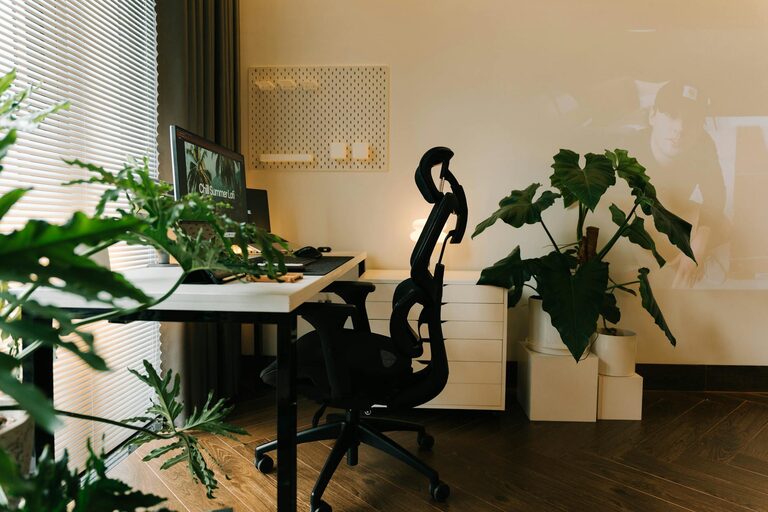
Creating a relaxing home environment is essential for maintaining productivity and supporting your well-being. Whether you work from home or simply want a peaceful space to recharge, the atmosphere around you plays a major role in how you feel and perform daily. This guide offers practical tips to help you design a home setting that promotes calm, focus, and balance.
Why a Relaxing Home Environment Matters
Your environment affects your mood, energy levels, and ability to concentrate. When your space feels cluttered or chaotic, it can increase stress and reduce productivity. Conversely, a relaxing, organized, and inviting environment can:
– Improve focus and work efficiency
– Reduce feelings of anxiety or overwhelm
– Promote better sleep and rest
– Enhance creativity and motivation
Assess Your Space
Begin by taking a close look at your current living and work areas. Ask yourself:
– Is my space cluttered or disorganized?
– Do I feel calm and comfortable here?
– Are there distractions that could be minimized?
– Does the lighting feel natural and inviting?
Answering these questions helps identify what changes will have the most impact.
Key Elements for a Relaxing Home Environment
1. Declutter and Organize
Clutter is one of the biggest distractions and stressors in any space. Take the time to:
– Sort through items and keep only what you truly need or love.
– Use storage solutions like baskets, shelves, and organizers.
– Maintain a regular tidying routine to prevent clutter buildup.
2. Optimize Lighting
Lighting affects mood and productivity. Aim for:
– Plenty of natural light during the day by opening curtains or blinds.
– Soft, warm artificial lighting in the evening to signal relaxation.
– Task lighting at your desk or workspace to reduce eye strain.
3. Choose Calming Colors
Colors influence how we feel. Consider painting walls or adding decor in soothing shades such as:
– Soft blues and greens for calmness.
– Neutral tones like beige or light gray for balance.
– Gentle pastels to create a peaceful vibe.
4. Incorporate Natural Elements
Bringing nature indoors has been shown to reduce stress. Ideas include:
– Adding houseplants for greenery and cleaner air.
– Using natural materials like wood, stone, or cotton in furniture and textiles.
– Displaying nature-inspired artwork or photographs.
5. Create a Dedicated Workspace
For those working or studying at home, separating your workspace helps with focus. Tips:
– Choose a quiet corner away from distractions.
– Use a comfortable chair and desk with good ergonomics.
– Keep your workspace tidy and only stocked with essentials.
6. Add Comfort and Relaxation Zones
Balance productivity with rest by creating areas dedicated to relaxation:
– A reading nook with a cozy chair and soft lighting.
– Cushions or a small sofa for breaks.
– Aromatherapy with essential oils or candles to promote calm.
7. Control Noise Levels
Noise can disrupt concentration and cause stress. Ways to manage noise at home:
– Use noise-cancelling headphones or white noise machines.
– Add rugs, curtains, and soft furnishings that absorb sound.
– Communicate with household members to minimize loud disruptions during work hours.
Daily Habits to Support Your Environment
Your habits influence how well your space works for you:
– Start each day by tidying your space to create a fresh, inviting atmosphere.
– Take short breaks away from screens to stretch and breathe.
– Practice mindfulness or meditation in your relaxation zone.
– Keep hydration and healthy snacks nearby to fuel your focus.
Conclusion
Designing a relaxing home environment requires intentional choices, but the benefits for your productivity and well-being are well worth it. By decluttering, optimizing light, choosing soothing colors, and creating comfort zones, you’ll create a space that supports both work and rest. Remember, this is a personal process—tailor your home to fit what makes you feel calm and energized.
Embrace these tips and enjoy a more balanced, productive, and peaceful home life.